Canadian winters can be beautiful—but for seniors, they can also be dangerous. Snow, ice and bitter cold make everyday tasks like getting groceries or going to appointments more challenging.
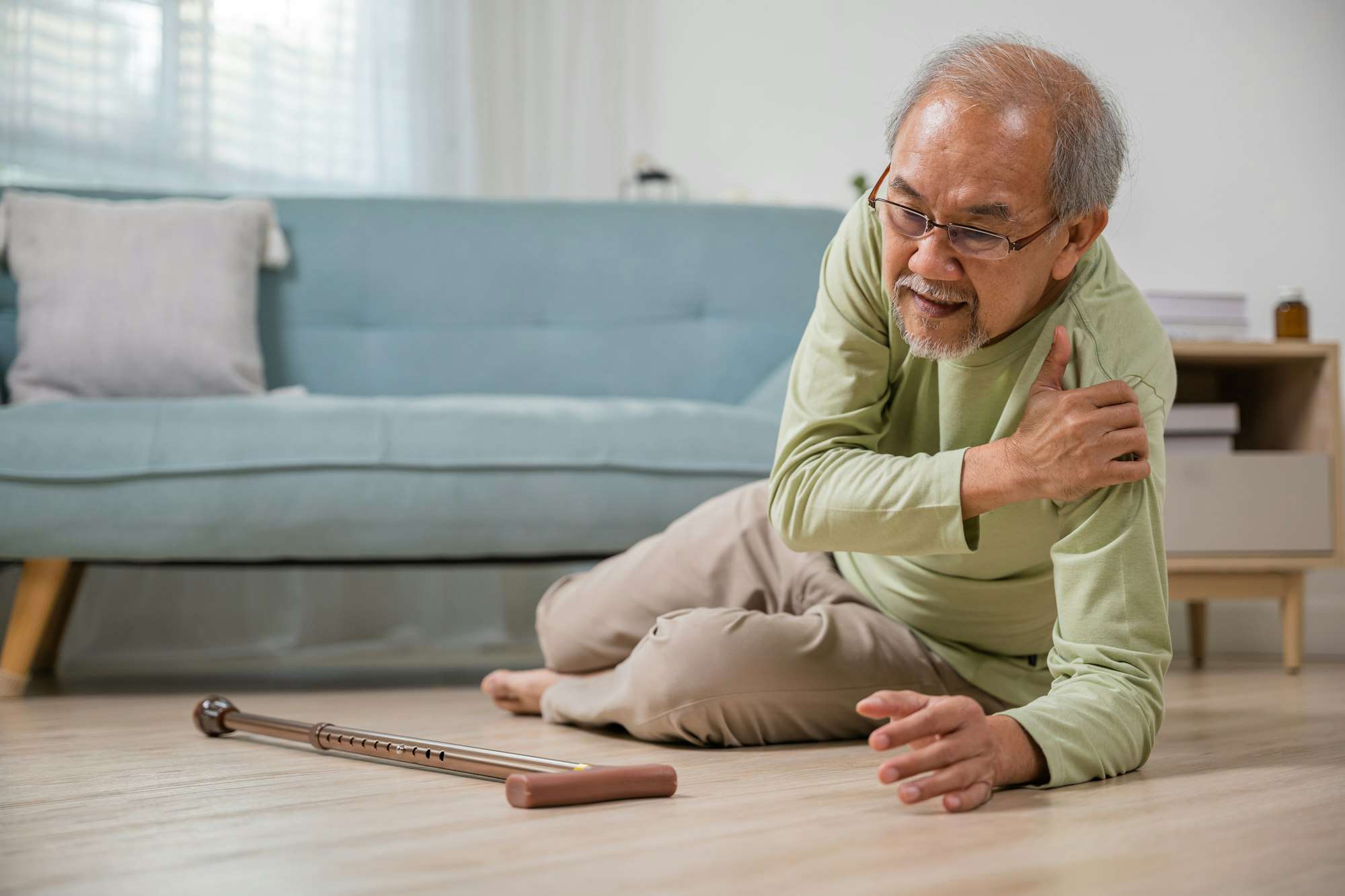
Falls are the leading cause of injury among older Canadians, and an estimated 20–30% of seniors experience at least one fall each year. With the right planning, equipment and support, older adults can stay active, independent and safe—even when the sidewalks are icy.
At Living Well Home Medical Equipment, we help seniors, caregivers and families prepare for winter with practical safety solutions and mobility aids. Here are some key winter safety tips to share with the seniors in your life.
Outdoor Winter Hazards & How to Handle Them Safely
1. Sidewalks, Driveways and Parking Lots
Sidewalks, driveways and parking lots can be especially treacherous in winter. Black ice and uneven surfaces can cause a serious fall in an instant.
To reduce the risk:
- Choose winter boots with good tread and non-slip soles to improve grip.
- Walk slowly, take shorter steps and keep your center of gravity slightly forward.
- Ask family, neighbours or a snow removal service to keep walkways clear of snow & ice.
- Use canes or walkers with winter-safe tips or ice grippers for added stability outdoors. Be sure to flip up ice tips on your cane before going indoors as the tips can damage wood floors and are dangerous to use on ceramic or smooth flooring as they will slip.
At Living Well HME, we carry as accessories like ice tips for canes that make winter walking safer. Check out our Ice-O-Grip cane attachment Here.
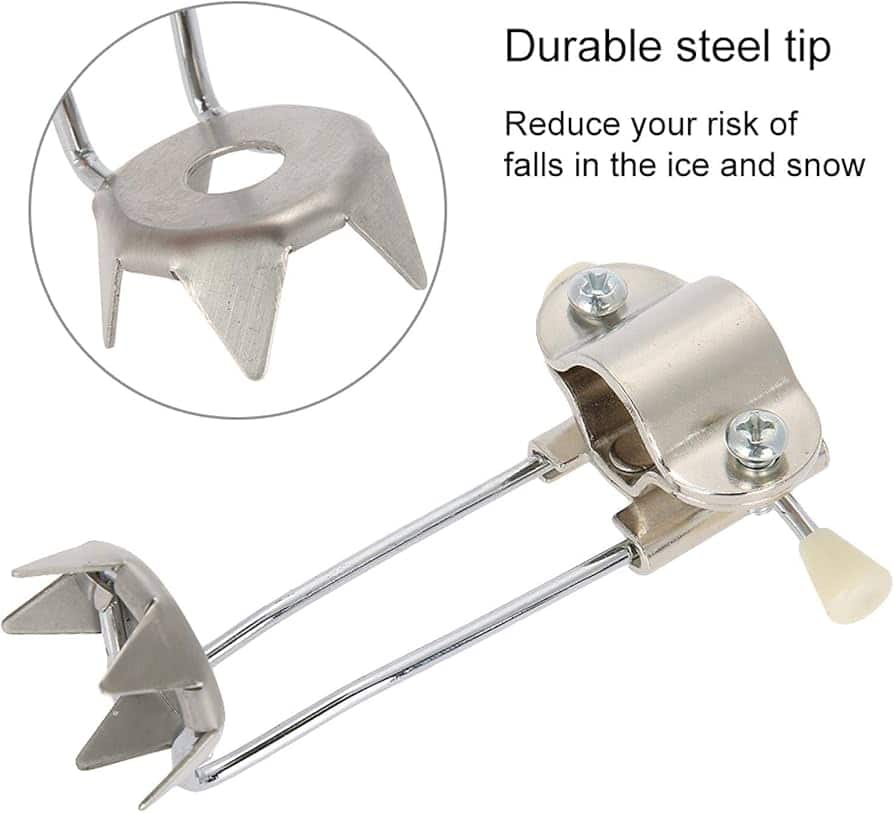
(Ice-O-Grip Cane Attachment – flips up when not in use)
2. Getting In and Out of Vehicles
Getting in and out of a car on a slippery surface can be one of the riskiest moments of a winter outing.
Safer habits include:
- Before stepping out, look at the ground to check for ice or uneven surfaces.
- Keep one hand on the vehicle for support and move slowly.
- Position your cane or walker on stable ground before putting your full weight on it.
- Avoid carrying heavy bags while getting in or out.
- Use a Handy Bar attachment (pictured below) to provide additional grip and leverage for exiting the vehicle.
If balance or strength is a concern, consider asking for help from friends and family, and using a transport chair when you’re outside of the vehicle.
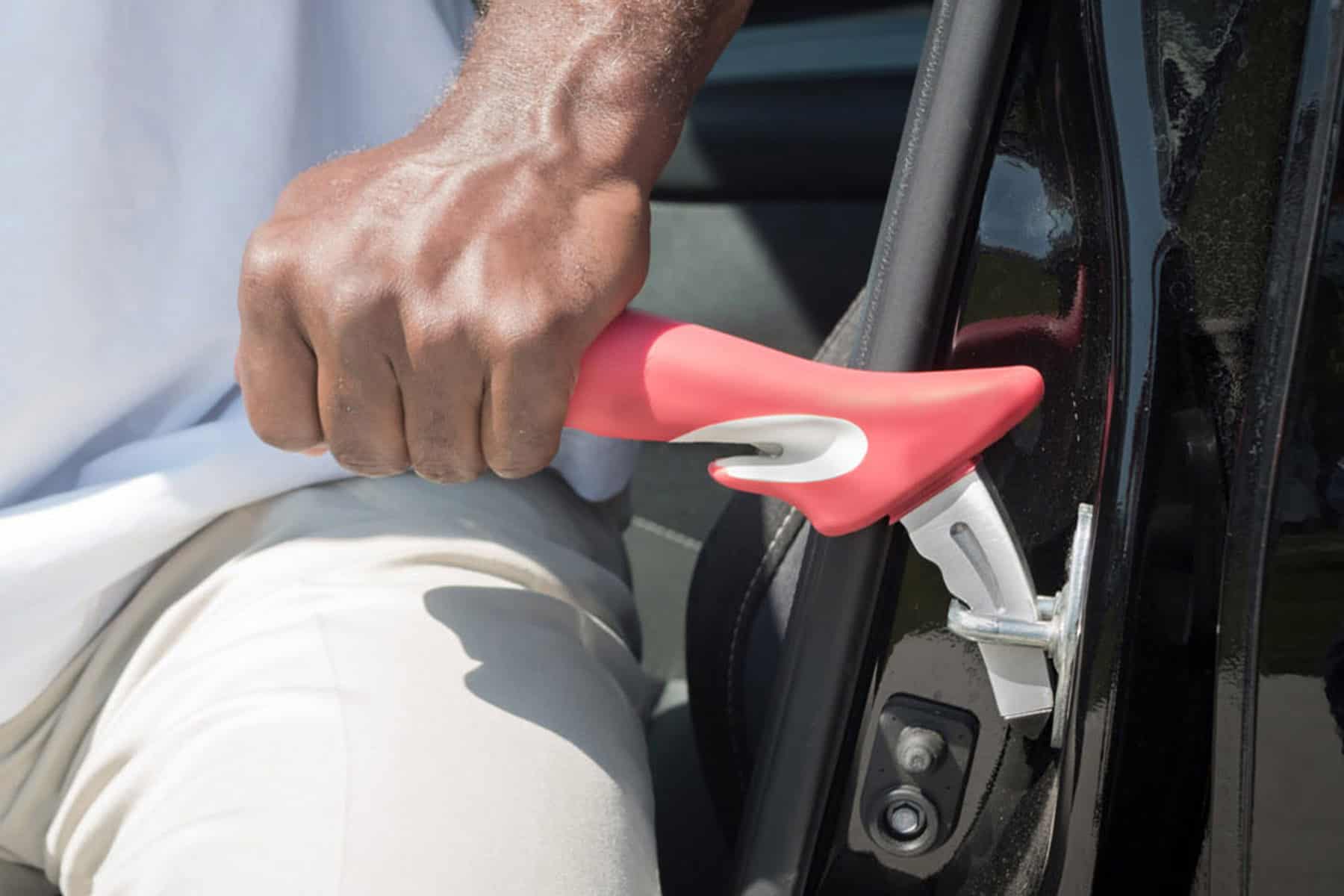
(Handy Bar Car Accessory – easily slides into the latch on your car door)
3. Shoveling, Overexertion and Cold Exposure
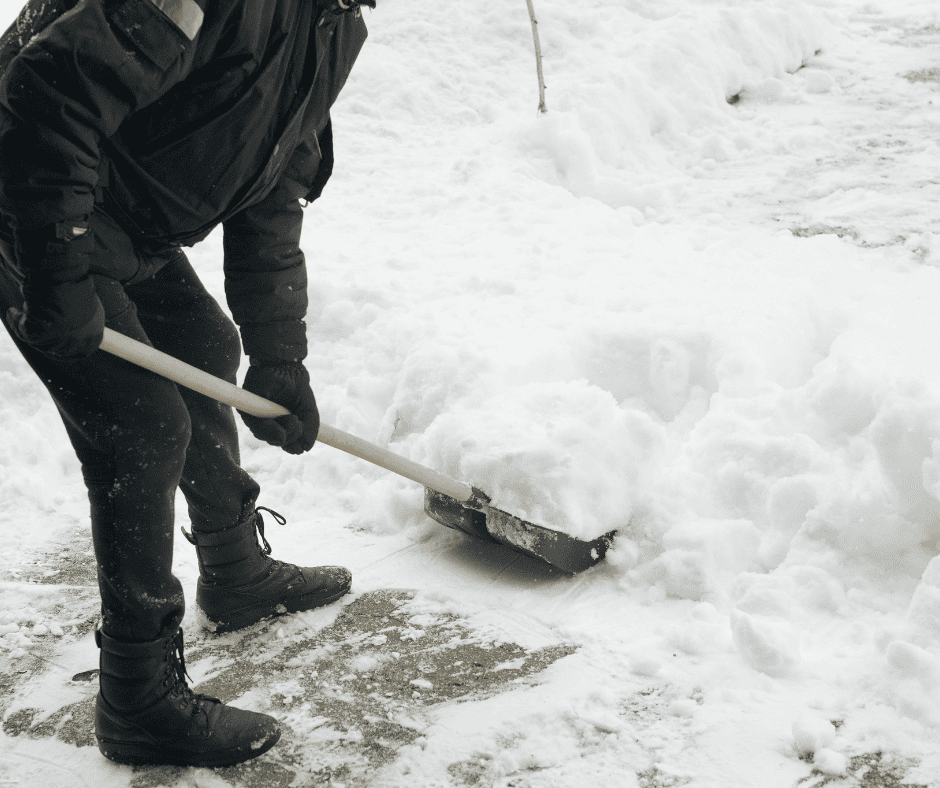
Many seniors feel pressure to keep shoveling their driveways and walkways, and while this is a necessary task, shoveling snow is a leading cause of heart attacks according to Harvard Health. Heavy shoveling and pushing snow can strain the heart and worsen breathing problems, especially early in the morning.
Safer options:
- Arrange for snow removal help from family, neighbours or a local service.
- If you must shovel, use a lightweight shovel, push snow instead of lifting it, and take frequent breaks. Be sure to put down salt as you go to reduce the slickness of the surface.
- Dress in warm layers, wear a hat and gloves, and go back inside if you feel tired, short of breath, dizzy or unwell.
Families can play a big role by planning ahead so their loved one doesn’t feel they “have to” shovel to stay independent.
Indoor Winter Hazards You Might Not Notice
Winter hazards don’t end at the front door. Snow and slush often follow us inside and with them come unforeseen risks.
4. Wet Floors and Slippery Entryways
Melted snow from boots and mobility aids can quickly turn entryways into a slip zone.
To make entrances safer:
- Place absorbent, non-slip mats both inside and outside exterior doors.
- Install a railing on your front porch or stairs and grab bars outside your front door.
- Keep a sturdy chair or bench by the door so boots can be taken off while seated.
- Store boots and shoes out of the walking path so they don’t become tripping hazards.
If you have guests, ensure they are removing their boots at the front door and not tracking excess snow or debris into your home.
5. Stairs and Low Lighting
Shorter winter days mean more time in low light which can make it hard to see steps, cords or clutter, and it’s especially risky for those with visual impairments.
To reduce risk:
- Install nightlights in hallways, bedrooms and bathrooms. Motion activated lights can also be used throughout your home to illuminate your walkway.
- Ensure handrails are secure on all stairs and consider rails on both sides where possible. If you’re interested in having new and more secure railings installed in your home contact our team of experts today for an assessment and quote! Click here to contact us
- Keep stairways clear of clutter, loose rugs and stored items.
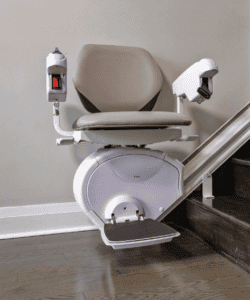
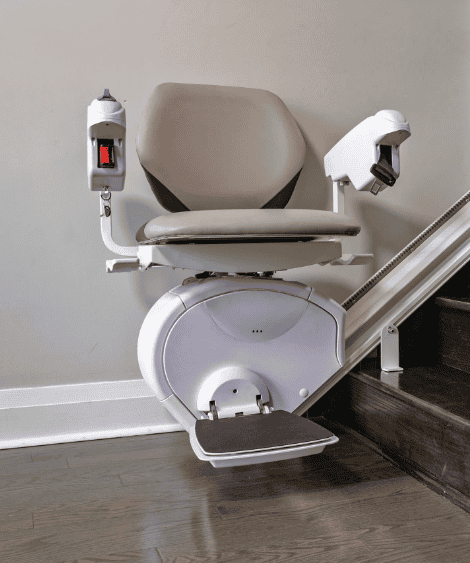
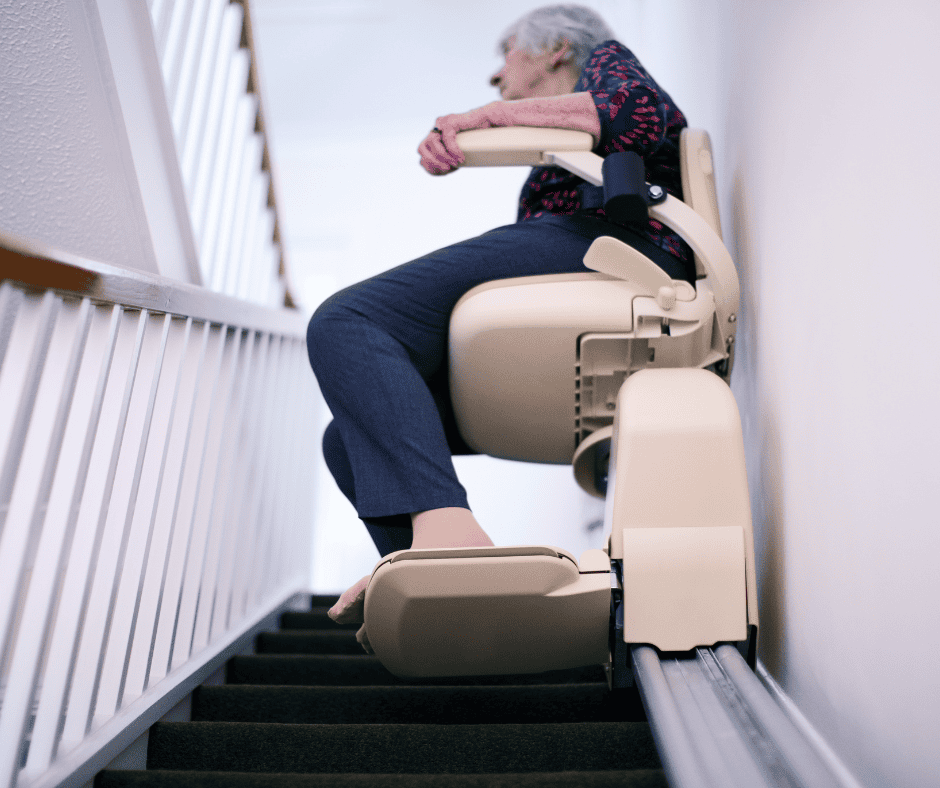
If stairs are challenging to use, a stair lift can be a life-changing solution. Living Well HME provides stair lift options and installation throughout Peterborough, Cobourg, Bowmanville and surrounding communities. Explore our Stairlift options Here.
How the Right Equipment Can Make Winter Safer
The right home medical equipment can turn winter from something to fear into something that feels manageable.
Some helpful options include:
- Walkers and rollators – Provide stability on cleared outdoor paths and support on indoor surfaces. Many models include baskets or bags so hands can stay free for balance.
- Canes with ice tips – Offer added security on icy or packed snow when used correctly. Remember to always flip up the ice tip before going inside as they can damage flooring and provide no support on tile flooring.
- Wheelchairs and transport chairs – Useful when walking outside is no longer safe, especially for longer distances or on uncertain surfaces.
- Lift chairs – Help with safe transitions from sitting to standing when joints and muscles are stiff from the cold or shovelling snow.
- Bathroom safety equipment – Grab bars, raised toilet seats and shower chairs help prevent falls year-round.
If you work with an Occupational Therapist (OT) or Physical Therapist (PT), we’re happy to collaborate to find equipment that fits your specific needs and your home.
How Living Well HME Helps Seniors Stay Safe This Winter
Living Well Home Medical Equipment is proud to serve Peterborough, Cobourg, Bowmanville, and the surrounding regions, helping older adults stay safe, mobile and independent through all four seasons—especially winter.
We offer:
- A wide range of mobility and safety products: walkers, rollators, canes, ice tips, wheelchairs, lift chairs, stair lifts and bathroom safety equipment.
- A friendly showroom in Peterborough, Bowmanville, and Cobourg, where you can see and try equipment in person.
- In-home consultations and delivery options to make the process easier.
- Collaboration with Occupational Therapists and Physical Therapists and guidance on funding options (where applicable).
Whether you’re a senior, a family member, an Occupational Therapist or a Physical Therapist looking for a trusted local provider, our team is here to help you find the safest, most comfortable solutions for winter and beyond.
Take the Next Step Toward a Safer Winter
If you know a parent, grandparent, neighbor or client who could use these winter safety tips, share this article and help them stay safer on snow and ice.
📞 Call us at 1-800-667-0158
📍 Visit one of our showrooms in Peterborough, Bowmanville, or Cobourg
🌐 Explore our mobility, stair lift, bathroom safety and lift chair options on our website
Let’s make this winter safer—together.